There is a particular kind of grief that comes from being burned by your own family. Not a stranger. Not a colonizer. A brother whose freedom you once bled for.
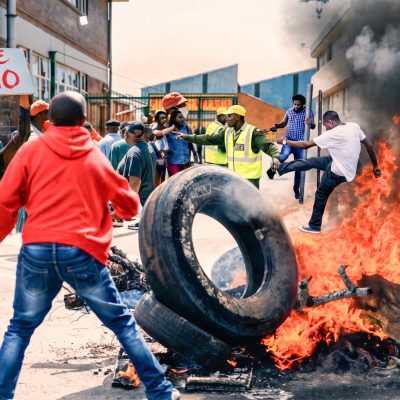
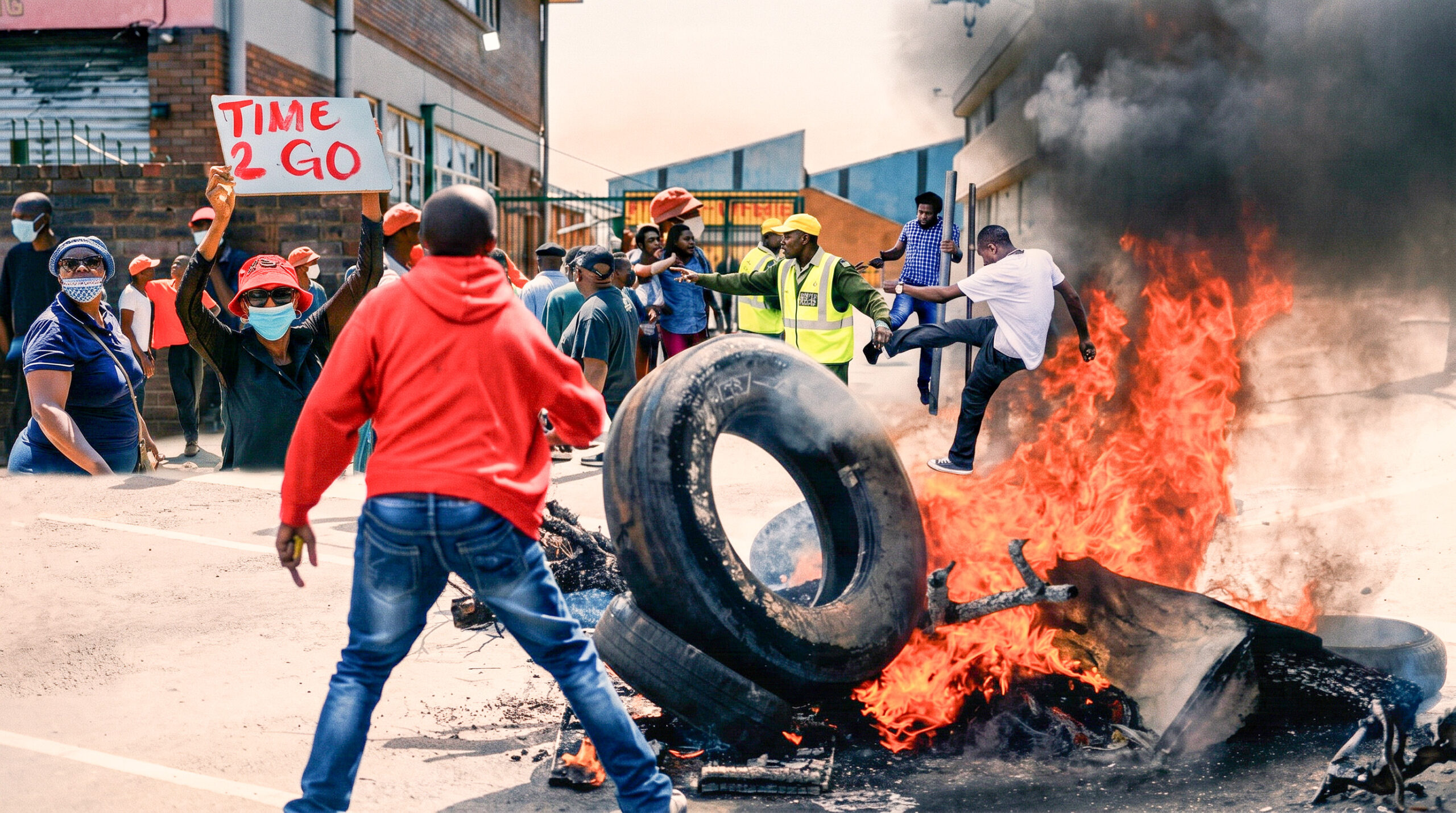
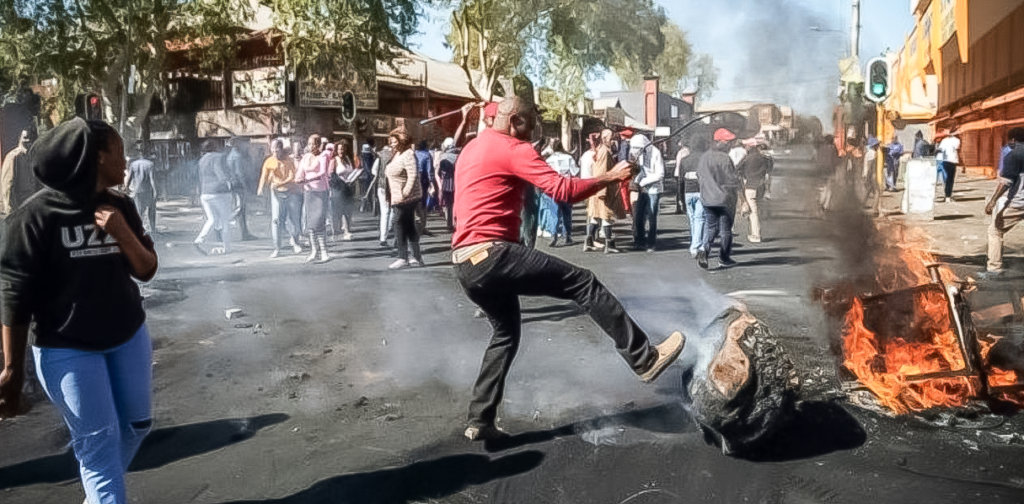
That is the emotion sitting underneath every video of a Malawian shack set alight in Mossel Bay, every Nigerian shopkeeper chased from Diepsloot, every Zimbabwean man beaten in the street for failing to produce a passport fast enough. Since April 2026, South Africa has watched a new wave of Afrophobic violence sweep through Johannesburg, Pretoria, Durban and the Western Cape, leaving at least ten foreign nationals dead, thousands displaced, and diplomatic missions from Malawi, Mozambique, Ghana, Nigeria and Kenya scrambling to evacuate their citizens. Movements like Operation Dudula and March and March have set deportation deadlines, organized door to door “visa checks,” and turned township frustration into a national spectacle.
But the story the world is being fed, on both sides, is a lie of omission. One camp insists South Africans have simply become hateful, ungrateful for the sacrifices other nations made during apartheid. The other insists foreigners are quietly strangling the South African economy, stealing jobs and housing meant for citizens. Both narratives are seductive. Both are incomplete. And the gap between what is said and what is true is precisely where this crisis festers.
It is time to close that gap.
The Inheritance Nobody Chose: Apartheid’s Unfinished Business
To understand the rage driving men in Zulu warrior regalia to march through Springs and Pietermaritzburg, you have to sit with a number that should stop any conversation cold: 32.7 percent. That is South Africa’s official unemployment rate as of the first quarter of 2026, according to Statistics South Africa, up from 31.4 percent the previous quarter, with more than 8.1 million people out of work. Among the youth, the figure climbs past 45 percent. Broader measures of labor underutilization, which count discouraged workers who have given up searching altogether, sit above 46 percent. This is not a recession statistic. This is a structural condition that has held above 30 percent for more than five years.
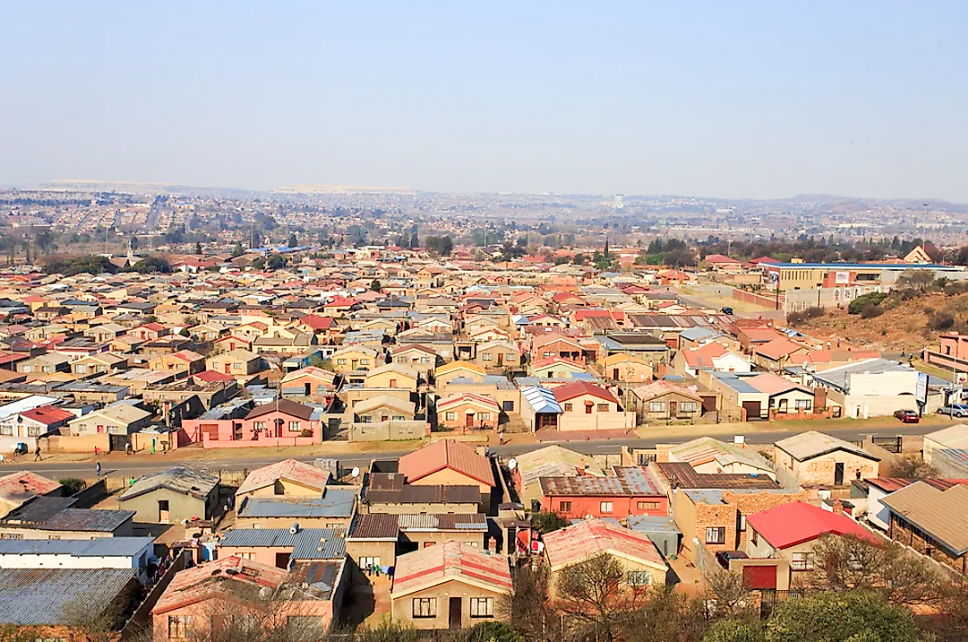
Behind those figures lies a country still shaped by the architecture of a system dismantled only three decades ago. The 1913 Natives Land Act and the later Group Areas Act did not merely segregate; they engineered where black South Africans could live, how far they had to travel to work, what schools their children could attend, and what kind of economic future was even imaginable for them. Townships like Soweto, Diepsloot and Khayelitsha were built as labor reservoirs, deliberately distant from economic centers, without adequate transport, water, or infrastructure investment. Apartheid ended in 1994. The geography it built did not.
This is why South Africa remains, by the World Bank’s own repeated assessment, one of the most unequal societies on the planet. A Gini coefficient hovering near 63 means wealth is concentrated in ways that make upward mobility for the average black South African township resident brutally difficult, regardless of who else is or is not in the country. When a young man in Diepsloot cannot find work, when a mother in KwaZulu-Natal watches her matric-educated daughter join the ranks of the “NEET” generation (not in employment, education, or training, a category that now includes nearly 38 percent of South African youth), the anger they feel is not irrational. It is the accumulated interest on a historical debt that successive governments have failed to service.
That anger deserves to be named honestly, not dismissed as bigotry. A South African who has watched three decades of promises about land reform, job creation and service delivery evaporate is not wrong to be furious. The tragedy is where that fury has been pointed.
The Convenient Villain: What the Data Actually Says About Foreign Nationals
Here is the number that changes everything, and the one that anti-migrant movements rarely put on their placards: foreign nationals make up roughly 5 percent of South Africa’s population, a figure of just over 3 million people, according to the country’s own national statistics agency. Five percent. Not the invading horde depicted in viral videos, not the shadow economy quietly hollowing out the labor market, but a small minority disproportionately blamed for a crisis whose roots run far deeper and predate their arrival by decades.
Consider the sectors most associated with migrant labor: domestic work, security, small retail, and agriculture. Research cited by South African academics, including labor economists at North West University, points to a simple and uncomfortable truth. Employers hire foreign nationals in these roles not because citizens are unwilling to do the work, but because undocumented migrants, stripped of labor protections, are easier to underpay and exploit. The problem in that equation is not the migrant. It is the employer, and the regulatory vacuum that lets exploitation flourish. Deporting the worker does nothing to fix the incentive structure that created the exploitation in the first place.
Meanwhile, the actual drivers of South Africa’s economic stagnation sit untouched by any deportation drive: chronic state capture and corruption that gutted institutions like Eskom and Transnet, a coalition government that has struggled to translate investor optimism into meaningful job creation, failing municipal service delivery, and a mining and manufacturing base that has shed jobs for structural, not migratory, reasons. President Cyril Ramaphosa himself, even while acknowledging the real strain that undocumented migration places on public services, has publicly warned against turning migrants into scapegoats for the country’s economic hardships.
There is also a manufactured dimension to this crisis that deserves daylight. Investigative analysis of nearly four million posts on X between January and May 2026 found that a small, tightly networked cluster of nationalist accounts, anchored around figures aligned with Operation Dudula, produced a disproportionate share of anti-foreigner content, turning isolated tragedies, some later found to be based on false rumors, into national moral panics. This is not spontaneous grassroots outrage alone. It is, in significant part, an engineered narrative machine, amplified by political actors positioning themselves ahead of elections, that has learned to convert real grievances into a simpler, more marketable enemy: the foreigner next door.
None of this excuses the very real crime, strain and frustration many South Africans experience daily. It simply insists that the numbers, not the slogans, decide who is actually responsible.
The Blood Debt: What Africa Paid to Free South Africa
Now to the history that Operation Dudula’s placards conveniently forget, and that too much of the diaspora conversation reduces to a vague, sentimental gesture instead of an accounting of real sacrifice.
When the African National Congress and Pan Africanist Congress were banned and driven underground in the 1960s, they did not survive in a vacuum. They survived because a coalition of nations, later formalized as the Frontline States (Zambia, Tanzania, Angola, Mozambique, Botswana and later Zimbabwe), gave the liberation movements sanctuary, training camps, diplomatic cover and, in many cases, paid for that hospitality in blood. Apartheid South Africa’s military did not treat these host nations gently. The 1981 raid on Matola in Mozambique killed ANC cadres and Mozambican civilians alike. The 1985 raid on Maseru in Lesotho killed dozens. Angola absorbed repeated cross-border incursions tied to its support for Namibian and South African liberation movements, including the 1978 Cassinga assault that killed hundreds of Namibian refugees. Mozambique was economically strangled and eventually pressured into the 1984 Nkomati Accord under the weight of South African destabilization. These were not abstract gestures of solidarity. They were nations absorbing military retaliation, economic sabotage and refugee burdens for years, sometimes decades, in service of a freedom that was not yet theirs to claim.
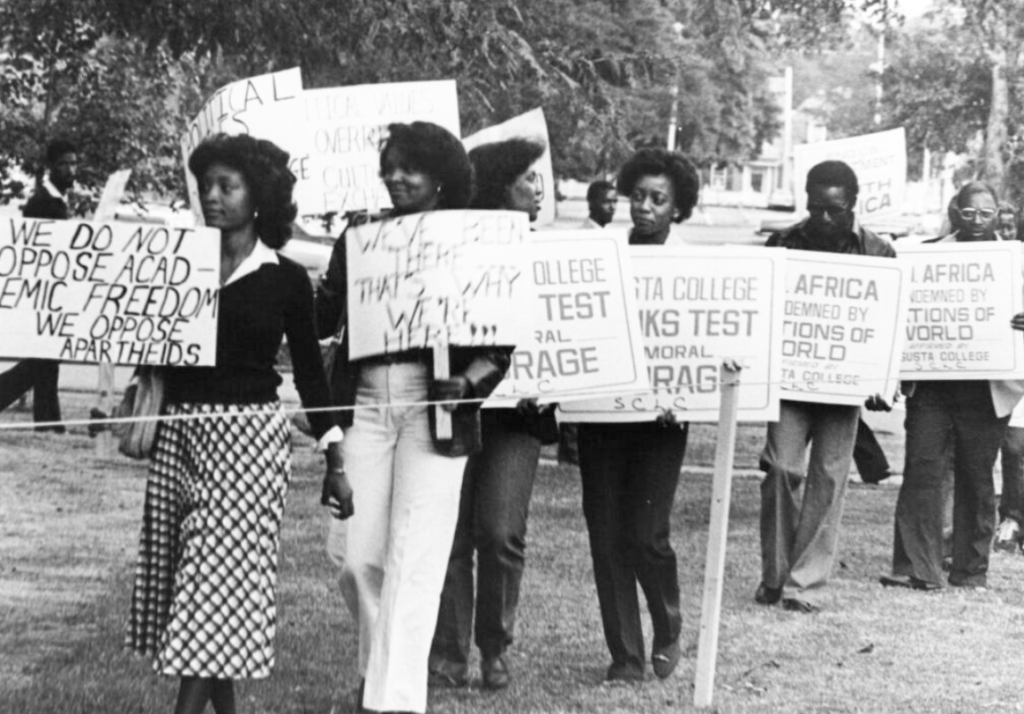
Nigeria’s contribution took a different, but no less consequential, shape. Lagos became one of the loudest diplomatic voices demanding South Africa’s isolation, pushing hard within the Commonwealth and United Nations for sanctions long before it became fashionable in Western capitals. Nigeria hosted the ANC’s mission and provided consistent financial support to the liberation struggle. Perhaps most remarkable was the National Committee Against Apartheid’s arrangement under which Nigerian civil servants had a portion of their monthly salaries deducted, an informal “apartheid tax” that funneled resources toward the anti-apartheid cause for years. Nigerian students, artists and diplomats treated the South African struggle as a national cause, not a distant African quarrel.
Zambia, under Kenneth Kaunda, hosted the ANC’s external headquarters in Lusaka for decades, at real diplomatic and economic cost. Ghana under Kwame Nkrumah had, even earlier, positioned Accra as an ideological headquarters for African liberation broadly, feeding the intellectual and political networks that would later sustain the anti-apartheid movement. Across the continent, from the Organisation of African Unity’s Liberation Committee to ordinary citizens boycotting South African goods, the fight to end apartheid was financed, defended and buried by African hands far beyond South Africa’s borders.
This is not a plea for gratitude as sentiment. It is a demand for historical literacy. When a Zimbabwean, Mozambican or Nigerian national is beaten in a South African street today, they are, in a very real sense, being attacked in the very networks of solidarity that made their attacker’s freedom possible. That is the tragic irony sitting at the heart of this crisis, and it deserves to be spoken plainly rather than invoked only as a guilt trip.
Toward Resolution: What Genuine Pan-African Accountability Looks Like
If both grievances are legitimate, the South African’s economic desperation and the migrant’s claim to historical solidarity and basic human dignity, then the resolution cannot be built on choosing a side. It has to be built on redirecting the anger toward its actual targets.
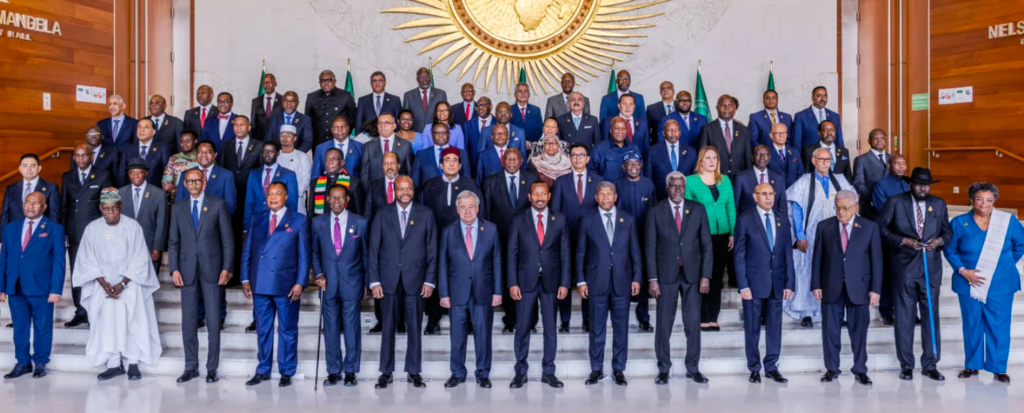
First, South African civil society and government must separate legitimate immigration policy from vigilante violence. There is nothing pan-African about open borders enforced through arson and murder, and there is nothing shameful about a sovereign state managing documentation and labor markets through lawful, transparent processes. The African Union and regional bodies like SADC should treat attacks on foreign nationals with the same urgency they would demand if the targets were South Africans abroad, rather than allowing this to be treated as an internal matter beneath continental attention.
Second, South African political leadership must stop allowing migration to function as a release valve for its own governance failures. Every hour spent organizing “visa checks” is an hour not spent reforming Eskom, prosecuting state capture beneficiaries, or building the youth employment pipelines that would actually absorb the millions of NEET young people the economy is currently failing. Politicians who find it easier to campaign against Malawians than against corruption inside their own parties are choosing the coward’s path, and African commentators, at home and in the diaspora, should say so without flinching.
Third, the continent needs to invest in the infrastructure of genuine integration, not just its rhetoric. The African Continental Free Trade Area offers a real mechanism for shared prosperity, but it will mean nothing if implemented alongside township-level scapegoating of the very Africans it is meant to connect. Regional labor mobility frameworks, joint economic zones, and honest bilateral agreements on documentation and remittances would do more to defuse this tension than another summit statement condemning xenophobia in the abstract.
Finally, and perhaps most urgently, the African media ecosystem, including platforms like this one, has a responsibility to refuse the easy binary. We must tell South Africans the truth about the disinformation networks manufacturing their outrage. We must tell the wider continent the truth about apartheid’s unfinished economic architecture. And we must insist, relentlessly, that the history of who paid for South Africa’s freedom is not a footnote to be forgotten the moment convenience demands a scapegoat.
The brothers who hid ANC cadres in Lusaka, who buried the dead of Cassinga, who deducted a tax from their own salaries in Lagos to fund a freedom not their own, did not do so expecting perfect gratitude forever. But they did not do so expecting this either. The path forward is neither blind solidarity nor blind blame. It is the harder, more honest work of building a continent where a Malawian shopkeeper in Durban and an unemployed graduate in Diepsloot can recognize each other as casualties of the same failed systems, rather than as enemies invented to distract them both from who actually failed them.
That recognition, not another deportation deadline, is where real unity begins.