

For a long time, the world looked at Africa as a convenient location to point telescopes and set up tracking stations. Clear skies, minimal light pollution, and strategic geography made the continent useful. But something shifted. Quietly and deliberately, Africa started building, launching, and owning its own piece of the cosmos. Today, the continent has national space agencies in over 20 countries, satellites in orbit, and a brand new continental space institution. Here are 10 milestones that tell that full story.
10. NASA Sets Up Shop in South Africa (1961)
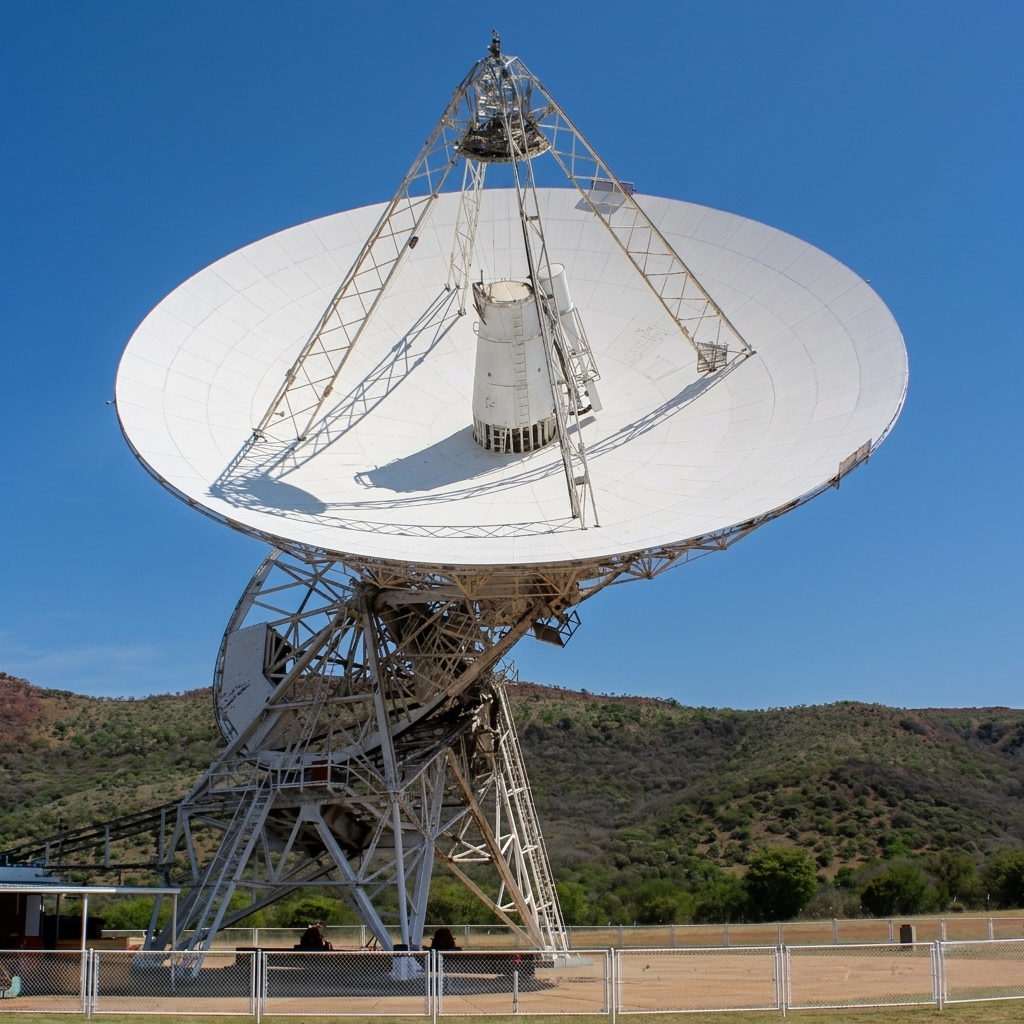
Long before South Africa built its own telescopes, it was hosting someone else’s. In 1961, NASA established a tracking station at Hartebeesthoek, a farm roughly 60 km west of Johannesburg, with a 26-metre dish used to communicate with early American space probes heading to the Moon and beyond. When NASA handed the facility over to South Africa in 1975, South African scientists took over operations. It became the Hartebeesthoek Radio Astronomy Observatory (HartRAO) and is now part of the global VLBI network. What started as a foreign outpost became a world-class African institution. That transition says everything.
9. NileSat 101: Africa’s First Satellite (1998)
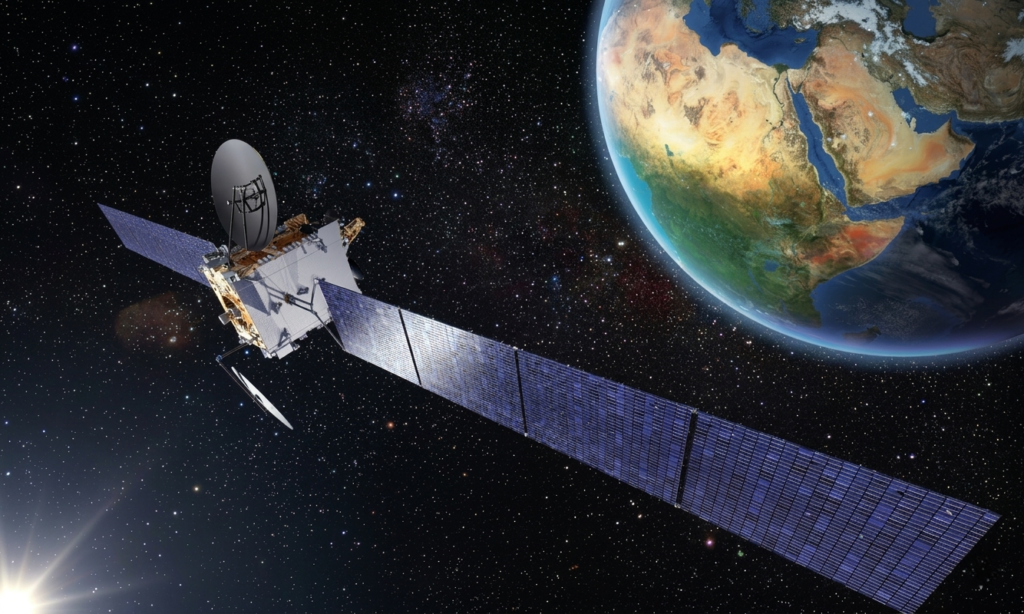
On April 28, 1998, Egypt launched NileSat 101 into a geostationary orbit, making Africa a satellite-owning continent for the first time. Launched aboard an Ariane 4 rocket from French Guiana, the satellite was built by European manufacturer Matra Marconi Space but owned and operated by Egypt. Its primary purpose was to broadcast television and provide telecoms services across North Africa and the Arab world. It was a commercial play, not a vanity project, and it worked. NileSat has since grown into a constellation. The same Egypt that hosted Africa’s first satellite in 1998 now hosts the headquarters of the African Space Agency.
8. SUNSAT-1: Africa Builds Its Own Satellite (1999)
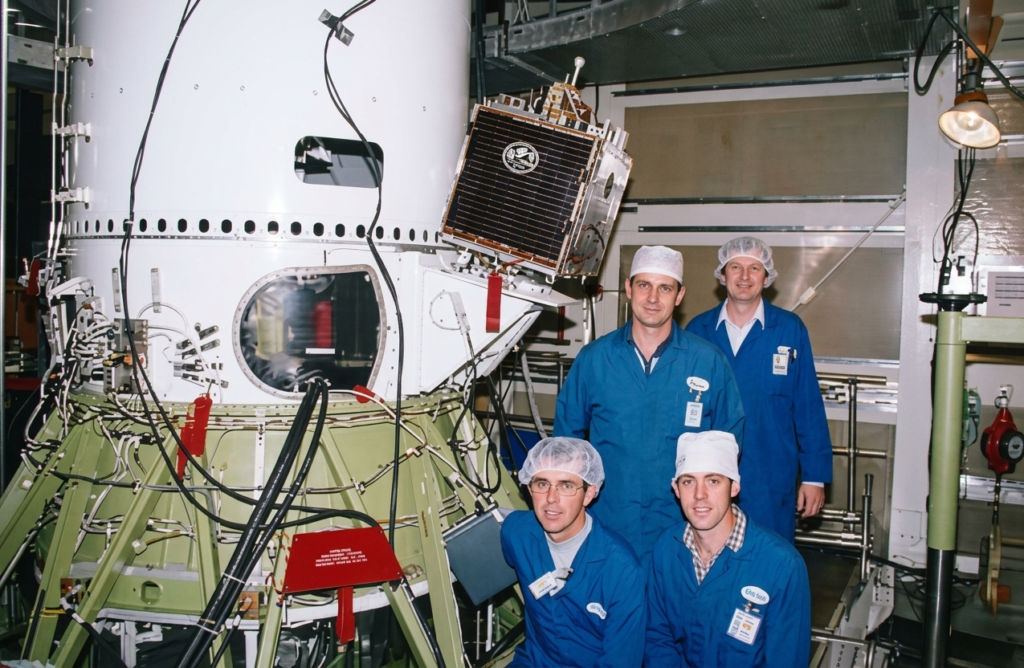
Less than a year after NileSat, South Africa launched something arguably more significant. SUNSAT-1, launched on February 23, 1999 aboard a Delta II rocket, was designed and built by students and staff at Stellenbosch University. At 65 kg, the microsatellite was capable of Earth observation and amateur radio communication. It was the first satellite on the continent that Africa actually made. Stellenbosch did not have NASA’s budget. They had engineering talent, institutional commitment, and a very specific goal. The satellite worked. It proved that Africa could build for space, not just buy access to it.
7. NigeriaSat-1: Sub-Saharan Africa Enters Orbit (2003)
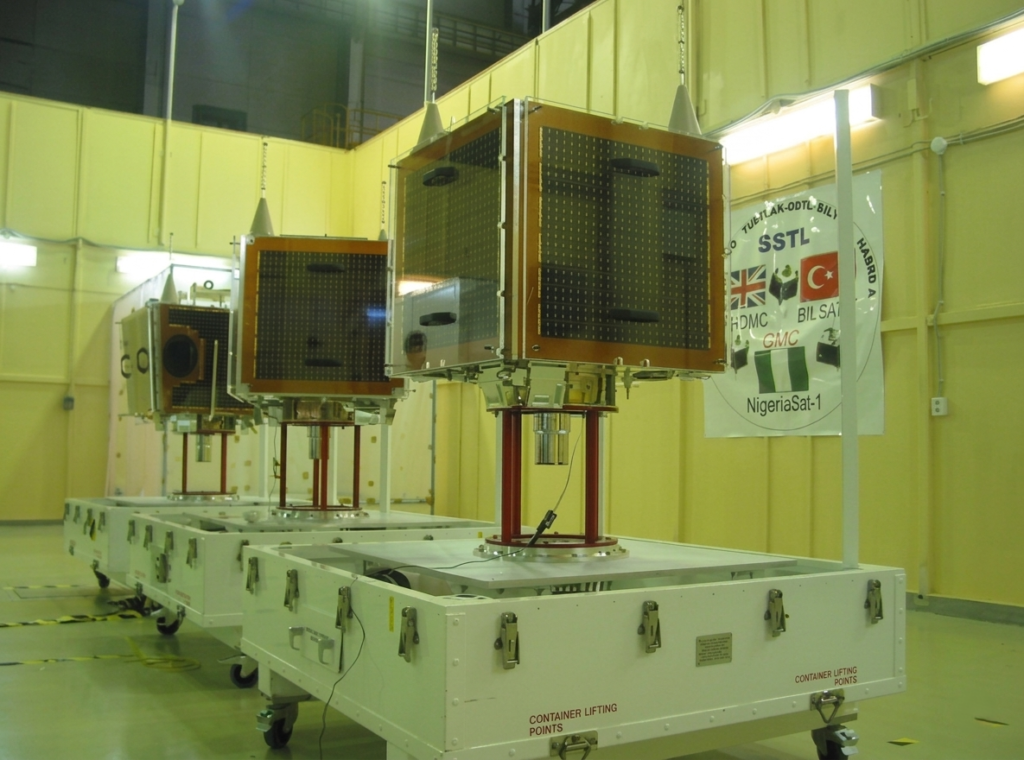
On September 27, 2003, Nigeria launched NigeriaSat-1 from Russia’s Plesetsk Cosmodrome, becoming the first sub-Saharan African nation to put an operational Earth-observation satellite in orbit. The 100 kg satellite joined the international Disaster Monitoring Constellation, a network shared with the UK, China, Algeria, Turkey, Thailand, and Vietnam. What made this launch particularly important was the knowledge-transfer component: six Nigerian engineers were trained at Surrey Satellite Technology Ltd in the UK to design, assemble, and test the spacecraft themselves. Nigeria was not outsourcing the knowledge. It was absorbing it.
6. GhanaSat-1: West Africa Launches from the International Space Station (2017)
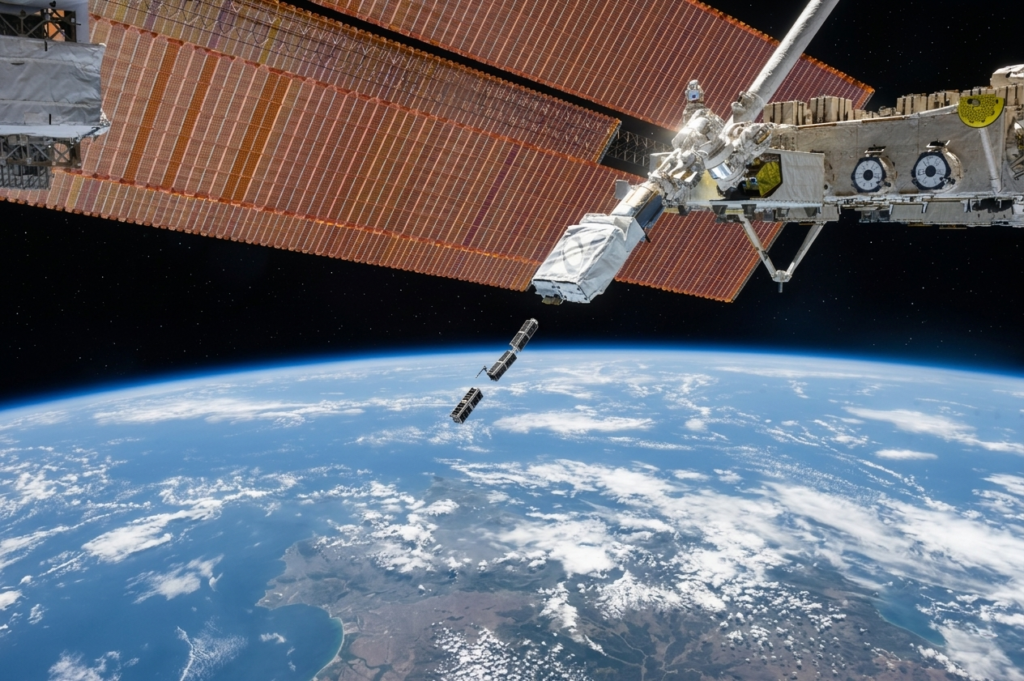
In July 2017, Ghana became West Africa’s first nation to place a satellite in orbit. GhanaSat-1, a 1 kg nanosatellite developed by students at All Nations University in Koforidua, was deployed from the International Space Station through JAXA’s small satellite orbital deployer. It weighed almost nothing. Its symbolism weighed a great deal. A developing nation with no prior space infrastructure designed a working spacecraft and got it into orbit. Ghana joined a growing list of African nations writing their names into the stars, proving that entry into space was no longer reserved for rich superpowers.
5. MeerKAT Rewrites What Africa Can Do in Science (2018)
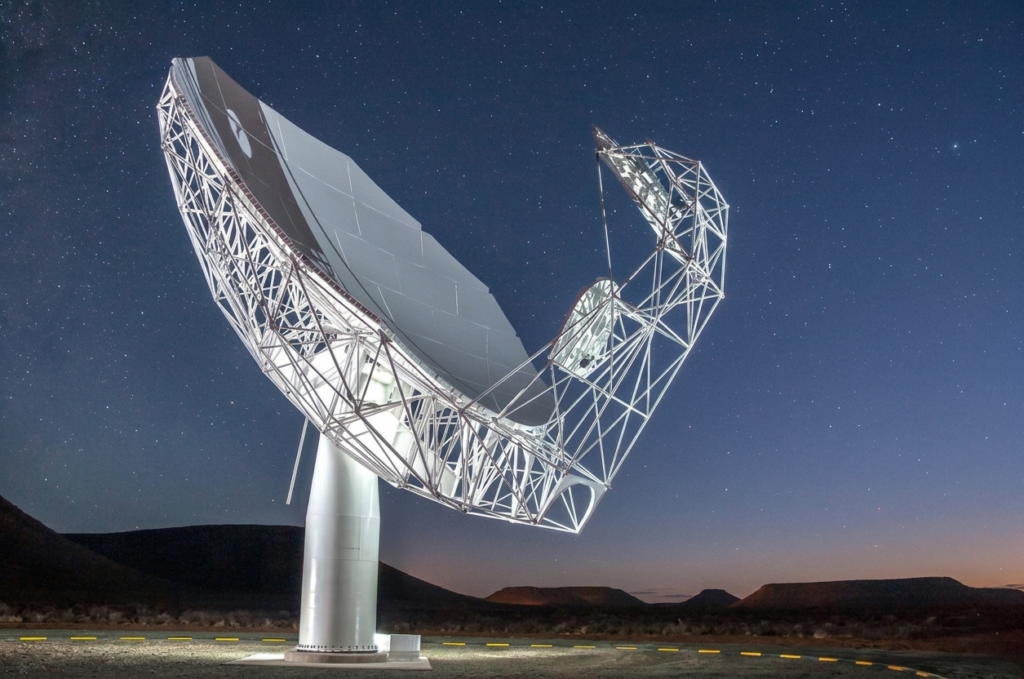
When South Africa’s 64-dish MeerKAT radio telescope was inaugurated in July 2018 in the Karoo desert, the global science press didn’t exactly rush to cover it. Scientists noticed instead. Within its first year of full operation, MeerKAT produced a landmark image of the Milky Way’s centre, revealing giant radio bubbles around our galaxy’s central black hole, evidence of an enormous ancient eruption. The discovery was published in Nature. The telescope, designed and built by South African engineers at SARAO, went on to win the Royal Astronomical Society’s 2023 Group Achievement Award. It is currently being incorporated into the Square Kilometre Array, the most powerful radio telescope project in history.
4. Rwanda Launches Its Space Agency (2020)
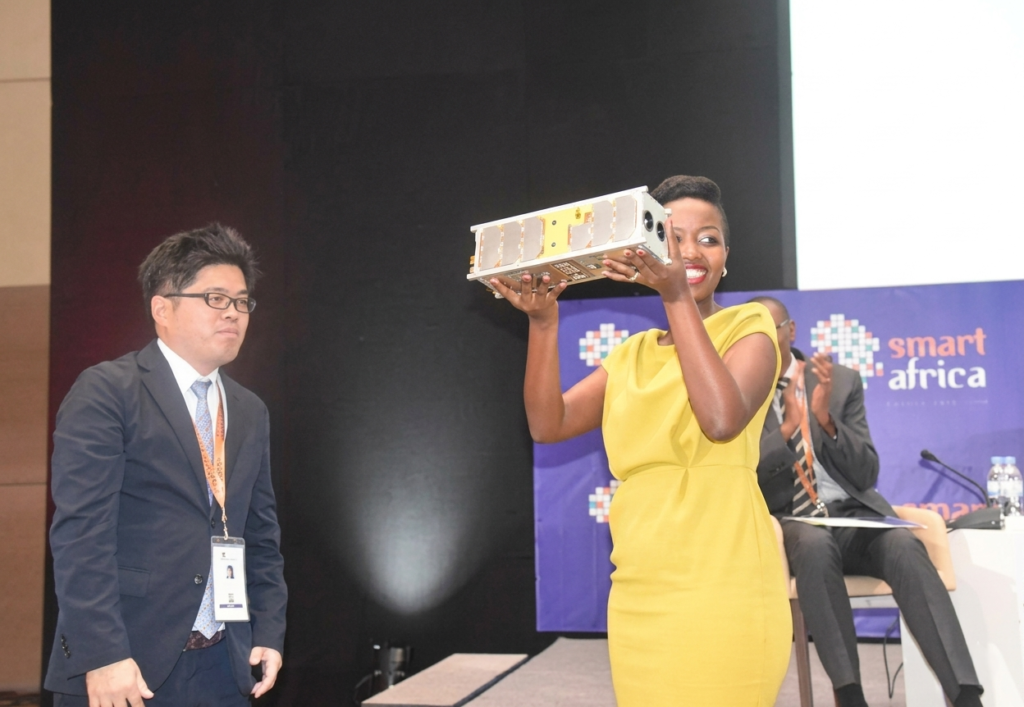
In January 2020, Rwanda, a landlocked country with a landmass of just 26,000 square kilometres, launched a national space agency. The Rwanda Space Agency (RSA) is one of the youngest in Africa, but its focus is sharply practical: using satellite data for agriculture, land management, disaster response, and connectivity. Rwanda’s model is notable for what it isn’t. It is not chasing prestige or trying to launch rockets. It is treating space as infrastructure for solving real national problems. Several other smaller African nations are watching Rwanda’s approach closely.
3. Kenya’s Taifa-1: Africa’s First Engineer-Designed Satellite (2023)
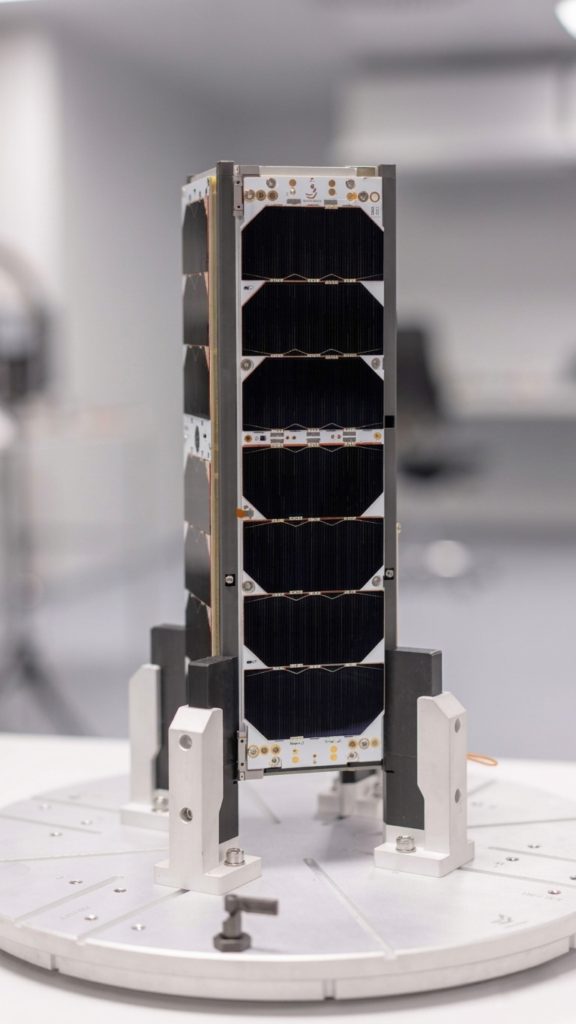
On April 14, 2023, after three weather-related delays, a SpaceX Falcon 9 rocket carried Kenya’s Taifa-1 into orbit from Vandenberg Space Force Base in California. “Taifa” means “nation” in Swahili. The 3U CubeSat was designed by nine Kenyan engineers and manufactured with assistance from Bulgarian aerospace company EnduroSat at a total cost of roughly 50 million Kenyan shillings (about $372,000). What set it apart is that the mission design was entirely Kenyan: monitor agricultural land, track wildfires, support disaster management. African engineers defining what their satellite should do, because they understood the problems on the ground better than anyone else.
2. The Square Kilometre Array Breaks Ground in South Africa (2022)
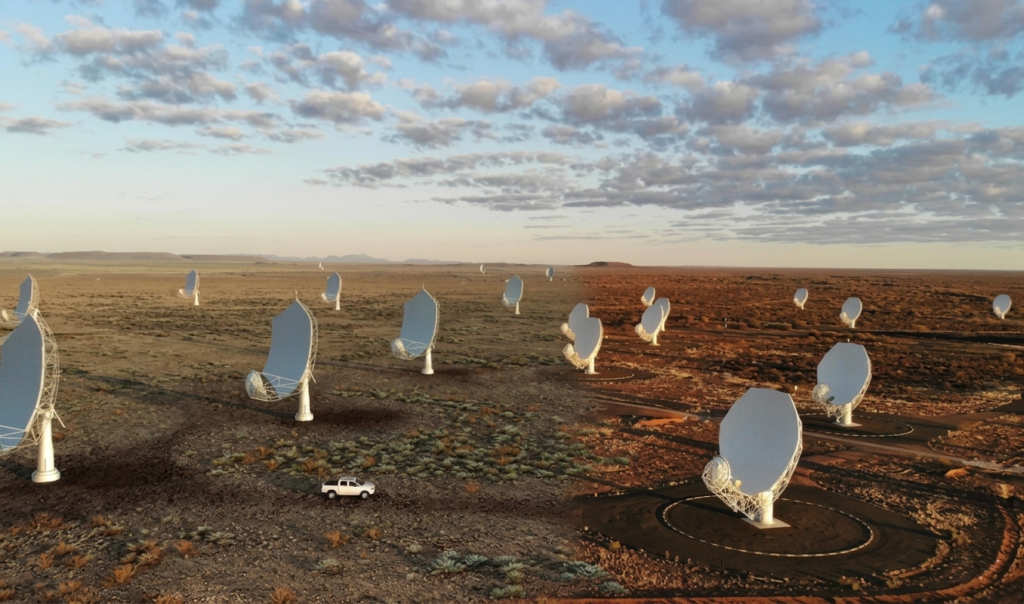
In December 2022, construction officially began on the Square Kilometre Array Observatory (SKAO) in South Africa’s Karoo region. When its 197 dish antennas (SKA-Mid) are complete, it will be the most powerful radio telescope ever built, with imaging resolution roughly 50 times sharper than the Hubble Space Telescope. South Africa was selected as the preferred host site back in 2012, after a nine-year scientific evaluation process. The first actual SKA-Mid dish was assembled in July 2024. The Karoo desert, once just a quiet place with good skies, is becoming humanity’s most ambitious window into the universe.
1. Africa Gets Its Own Space Agency (April 2025)

On April 20, 2025, the African Space Agency (AfSA) was officially inaugurated at its headquarters inside Egypt’s Space City in Cairo. The moment was the culmination of nearly a decade of institutional work, beginning with the African Union’s adoption of the African Space Policy and Strategy in January 2016. AfSA’s mandate is to coordinate space activities across all 55 African Union member states, reduce duplication, and give Africa a single, unified voice in global space negotiations. At its inauguration, it signed cooperation agreements with the European Space Agency, the UAE Space Agency, and Roscosmos. More than 327 active commercial space companies now operate across 36 African countries. Africa is no longer just a convenient place to point a telescope. It is building the telescope.