
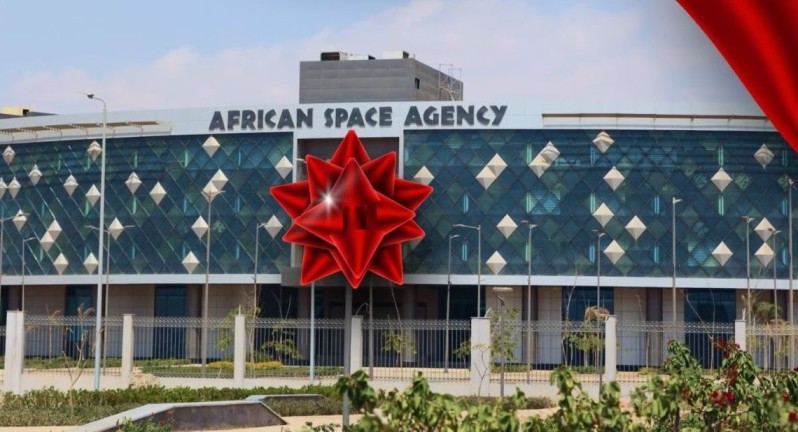
For decades, Africa was the world’s preferred vantage point for astronomy, a continent of dark skies used by foreign telescopes to study the universe. But this week, the dynamic shifted irrevocably. The observer has become the operator.
In a landmark series of events over the last seven days, the African space sector has transitioned from ambitious policy to concrete infrastructure, headlined by Senegal’s groundbreaking entry into astronomical research and the operational maturation of the African Space Agency (AfSA).
From Dakar to Cairo: A Week of “Firsts”
The biggest story of the week comes from West Africa. On Tuesday, Senegal officially commenced construction of the Astronomical Observatory of Senegal (OAS). Set to be the first facility of its kind in the region, the OAS represents a massive leap for indigenous space science. No longer will West African scientists need to travel to Europe or South Africa to access high-level optical data; they are building the capacity at home.
Simultaneously, reports confirmed that Egypt’s SPNEX satellite, launched late last month, has successfully completed its “first light” calibration this week. The satellite is now beaming critical climate and agricultural data directly to the Egyptian Space Agency’s control centers. This is not just a technical win; it is an economic one. The data derived here will directly inform irrigation strategies for the Nile Delta, proving that African space tech is fundamentally about survival and sustainability.
Adding to the momentum, the Square Kilometre Array (SKA-Mid) in South Africa—the world’s largest radio telescope project—announced it has recorded “first fringes” using its new 15-meter dishes. This technical milestone means the telescope is now successfully combining signals, effectively functioning as a single, giant eye on the cosmos.
The African Space Agency (AfSA) Takes the Wheel
Underpinning these national wins is the continental glue of the African Space Agency (AfSA). Now fully operational from its Cairo headquarters, AfSA released its 2026 strategic roadmap this week. The agency is no longer just a concept on paper; it is actively coordinating the “African Outer Space Programme,” ensuring that the benefits of these technologies—from disaster management in Mozambique to crop monitoring in Kenya—are shared across borders.
Why This Matters for Africa
The surge in space activity is often dismissed by critics as a luxury. This week’s developments prove otherwise.
1. Data Sovereignty:
Until recently, African nations paid millions to foreign companies for satellite imagery of their own territories. With assets like SPNEX and the new ground stations in Rwanda and Nigeria, Africa is regaining ownership of its own data. We are moving from being customers of the space economy to being competitive producers.7
2. Climate Resilience:
The OAS and SKA are not just looking at stars; they are refining the technology we need to monitor our changing planet. African scientists are now at the forefront of generating the climate models that will dictate global policy, rather than just receiving reports from the Global North.
3. The “Brain Gain”:
Projects like the Senegalese observatory are magnets for talent. They reverse the brain drain by giving Africa’s brightest physicists and engineers world-class facilities to staff, right here on the continent.
This week, Africa didn’t just look up; it reached out and took its place among the stars.