
The narrative has shifted. For decades, African artists traveled West to seek validation. This week, the West—and indeed the world—traveled to Lagos. As the 9th All Africa Music Awards (AFRIMA) kicked off its main festivities this week, the sheer scale of the convergence highlighted a definitive reality: African music is no longer a “genre” to be exported; it is the global standard to be consulted. Over the last seven days, Lagos has transformed into the undisputed capital of global sound. Official figures released yesterday confirm that 1,216 artistes, delegates, and production heavyweights have touched down in the city, marking the largest creative migration in the event’s history. From the British Deputy High Commissioner to major streaming executives, the eyes of the world are fixed on the Ikeja City Mall and the custom-built AFRIMA dome, not just for entertainment, but for the business of the future. Beyond the Beats: A Summit of Power While the headlines will inevitably focus on the titan-level clash for “Artiste of the Year” between Burna Boy, Davido, and Amapiano king DJ Maphorisa, the real story lies in the ecosystem being built behind the scenes. This isn’t just an award show; it is a trade summit. The Africa Music Business Summit, held this past Thursday, moved the conversation from “streams” to “structures.” We are seeing a pivot from pure talent to technical excellence. The presence of 183 top-tier technical production professionals among the delegates signals that Africa is insourcing the high-end production values that used to require London or Los Angeles. “The turnout shows the growing strength of African music,” noted Mike Dada, AFRIMA’s President, at the Welcome Soirée. But it’s more than strength—it is leverage. The UK government’s vocal commitment to “partnerships that bring mutual economic development” during the event underscores that African creativity is now a diplomatic and economic heavyweight. The Amapiano vs. Afrobeats Synthesis Musically, this week has showcased the “Innovation” at the heart of our new era. The rigid lines between Nigerian Afrobeats and South African Amapiano have dissolved. The “AFRIMA Music Village” performances Friday night displayed a new, hybrid sound—a pan-African fusion that is dominating charts from Tokyo to Toronto. We are seeing artists like Tyla (riding high on her 2025 successes) and rising stars from Francophone Africa seamlessly blending these rhythms. This sonic unity is projecting a front of excellence that is impossible for the global market to ignore. Why This Matters for Africa The grandeur of AFRIMA 2026 is a critical indicator of three things: 1. Cultural Sovereignty: We are hosting our own coronation. By consolidating the celebration of African excellence on African soil, we reclaim the agency to define greatness. We are no longer waiting for a Grammy category; we are building our own ecosystem of prestige. 2. The Creative Economy as an Engine: The influx of over 1,000 international delegates is a direct injection into the local economy—hotels, logistics, security, and tourism. It proves that the “Orange Economy” is a viable alternative to resource extraction for GDP growth. 3. Soft Power Diplomacy: When the world dances to African rhythms, they listen to African voices. This cultural dominance provides a platform to reshape political and social narratives about the continent, moving us from a place of “potential” to a place of “power.” As the main ceremony approaches this Sunday, one thing is clear: Africa is not next. Africa is now.
The Sky is No Longer the Limit: Africa’s Space Ecosystem Goes Operational
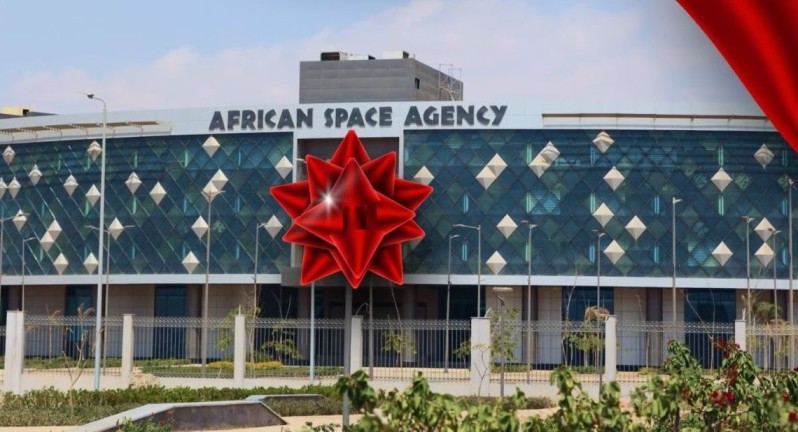
For decades, Africa was the world’s preferred vantage point for astronomy, a continent of dark skies used by foreign telescopes to study the universe. But this week, the dynamic shifted irrevocably. The observer has become the operator. In a landmark series of events over the last seven days, the African space sector has transitioned from ambitious policy to concrete infrastructure, headlined by Senegal’s groundbreaking entry into astronomical research and the operational maturation of the African Space Agency (AfSA). From Dakar to Cairo: A Week of “Firsts” The biggest story of the week comes from West Africa. On Tuesday, Senegal officially commenced construction of the Astronomical Observatory of Senegal (OAS). Set to be the first facility of its kind in the region, the OAS represents a massive leap for indigenous space science. No longer will West African scientists need to travel to Europe or South Africa to access high-level optical data; they are building the capacity at home. Simultaneously, reports confirmed that Egypt’s SPNEX satellite, launched late last month, has successfully completed its “first light” calibration this week. The satellite is now beaming critical climate and agricultural data directly to the Egyptian Space Agency’s control centers. This is not just a technical win; it is an economic one. The data derived here will directly inform irrigation strategies for the Nile Delta, proving that African space tech is fundamentally about survival and sustainability. Adding to the momentum, the Square Kilometre Array (SKA-Mid) in South Africa—the world’s largest radio telescope project—announced it has recorded “first fringes” using its new 15-meter dishes. This technical milestone means the telescope is now successfully combining signals, effectively functioning as a single, giant eye on the cosmos. The African Space Agency (AfSA) Takes the Wheel Underpinning these national wins is the continental glue of the African Space Agency (AfSA). Now fully operational from its Cairo headquarters, AfSA released its 2026 strategic roadmap this week. The agency is no longer just a concept on paper; it is actively coordinating the “African Outer Space Programme,” ensuring that the benefits of these technologies—from disaster management in Mozambique to crop monitoring in Kenya—are shared across borders. Why This Matters for Africa The surge in space activity is often dismissed by critics as a luxury. This week’s developments prove otherwise. 1. Data Sovereignty: Until recently, African nations paid millions to foreign companies for satellite imagery of their own territories. With assets like SPNEX and the new ground stations in Rwanda and Nigeria, Africa is regaining ownership of its own data. We are moving from being customers of the space economy to being competitive producers.7 2. Climate Resilience: The OAS and SKA are not just looking at stars; they are refining the technology we need to monitor our changing planet. African scientists are now at the forefront of generating the climate models that will dictate global policy, rather than just receiving reports from the Global North. 3. The “Brain Gain”: Projects like the Senegalese observatory are magnets for talent. They reverse the brain drain by giving Africa’s brightest physicists and engineers world-class facilities to staff, right here on the continent. This week, Africa didn’t just look up; it reached out and took its place among the stars.
Global Wallet, Local Reach: Nomba Integrates Apple Pay Across 300,000 Terminals
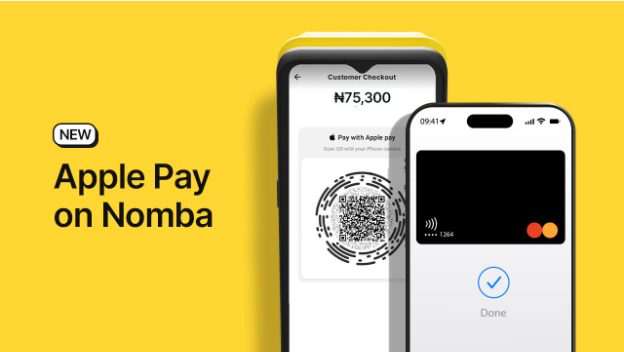
Lagos, Nigeria — In a move that seamlessly bridges the gap between global finance and local commerce, Nigerian fintech innovator Nomba has announced the integration of Apple Pay across its network of over 300,000 Point of Sale (POS) terminals. The rollout, confirmed this past Friday, comes just in time for the peak of “Detty December,” transforming how international visitors and the diaspora transact in Africa’s largest economy. Frictionless Commerce at Scale For years, the narrative of African payments has been one of fragmentation—multiple apps, USSD codes, and a heavy reliance on physical cash. Nomba’s latest update shatters this barrier. By enabling Near Field Communication (NFC) capabilities for Apple Pay, the startup effectively allows anyone with an iPhone or Apple Watch to pay for goods and services in Lagos, Abuja, and beyond, exactly as they would in London or New York. This is not a pilot program. The integration is live across Nomba’s massive merchant network, which ranges from high-end restaurants in Victoria Island to everyday retailers in Ikeja. The technology leverages the “Tap to Pay” standard, ensuring transactions are completed in milliseconds with the biometric security of FaceID. “We are not just moving money; we are removing the friction that separates African businesses from the global economy,” a Nomba spokesperson noted during the launch. “When a tourist lands in Lagos, their digital wallet should work as fluently as their passport. Today, we made that a reality.” Innovation Driven by User Behavior The timing of this launch displays strategic brilliance. December in Nigeria sees an influx of thousands of returnees and tourists who are accustomed to contactless payments. Previously, these visitors faced the hurdle of exchanging foreign currency for large bundles of Naira notes or dealing with card compatibility issues. Nomba’s solution bypasses these pain points, directly injecting foreign liquidity into the local ecosystem through digital rails. This move follows a stellar year for the startup, which has aggressively pivoted from being a simple agency banking provider to a comprehensive business banking partner. By adopting global standards like Apple Pay, Nomba is signaling that African fintech is no longer playing catch-up; it is operating at the frontier of global interoperability. Why This Matters for Africa Nomba’s integration of Apple Pay is a watershed moment for three key reasons: As we begin 2026, Nomba has laid down a marker: The future of African commerce is not just digital; it is borderless.

Cultural Equity: Davido and Carter Efe Shatter Records with Global Streaming Milestone
LAGOS, Nigeria — In a week defined by the festive pulse of “Detty December,” African music has achieved a new benchmark in digital dominance. Nigerian superstar Davido, in collaboration with content creator and artist Carter Efe, has shattered regional streaming records following an explosive live-stream event that has officially positioned them at the summit of the global creator economy. The milestone, confirmed late this week, saw the duo attract a record-breaking concurrent viewership on Twitch and TikTok, surpassing previous continental peaks held by both musical artists and gaming influencers. This “Davido Effect” has not only translated into social media vanity metrics but has triggered a massive surge in catalog streams, with Davido’s latest project 5ive reclaiming top spots on global charts across the UK, US, and West Africa. Innovation through Accessibility The brilliance of this moment lies in its departure from traditional media rollouts. Instead of a standard press junket or a high-priced stadium exclusive, the “Davido x Carter Efe” event utilized the raw, unscripted energy of live-streaming. This approach allowed fans a “fly-on-the-wall” perspective of the megastar’s lifestyle and creative process, humanizing a global icon while utilizing the algorithmic power of secondary creator platforms. Industry analysts note that this wasn’t just a casual “hangout.” It was a meticulously executed masterclass in brand synergy. By tapping into Carter Efe’s hyper-engaged youth audience, Davido bypassed traditional gatekeepers, proving that the future of African music promotion is decentralized and community-driven. This strategy has directly contributed to Davido reaching a historic career milestone of 150 major awards—cementing his status as one of the most decorated African artists in history. Excellence in Execution Beyond the numbers, the production quality of the stream—utilizing high-definition mobile rigs and real-time audio mixing—demonstrated that African creators are no longer just “participating” in global digital trends; they are setting the technical standard. The event successfully bridged the gap between Afrobeats’ sonic excellence and the burgeoning African tech-creator space, showing a unified front of cultural and technological progress. Why This Matters for Africa This record-breaking week is a signal flare for the continent’s creative future: In 2026, the message is clear: the “African Giant” is not just a song title; it is the current reality of the global entertainment industry.

Africa’s Tech Renaissance: The $3.2 Billion Pivot to “Real Economy” Innovation
For years, the narrative of African technology has been dominated by a single vertical: Fintech. The story was always about how we move money. But this week, a new chapter was written—one that is less about transaction fees and more about transformation. Data released this Wednesday reveals that African startups defied global economic headwinds to raise $3.2 billion in 2025, a robust 40% increase from the previous year. Yet, the headline isn’t just the money; it is the destination. For the first time, the center of gravity has shifted from purely financial apps to “Real Economy” solutions—Clean Energy, AI-driven Healthcare, and Electric Mobility. This is not just a rebound; it is a maturation. It is the moment African tech moved from “unicorn hunting” to nation-building. The New Heavyweights: Power Over Payments The report, released by Africa: The Big Deal, highlights a tectonic shift. While fintech remains a pillar, the mega-rounds of 2025 were defined by Energy and Mobility. Leading the charge is Spiro, the electric vehicle company that has become a pan-African symbol of green mobility. Their massive expansion, alongside solar giants like Sun King and M-KOPA, drove Kenya to dethrone Nigeria as the continent’s top investment destination for the first time in a decade. Kenya attracted nearly $1 billion ($933.6m), largely because Nairobi has positioned itself as the global capital of Climate Tech. This pivot is significant. Investors are no longer just betting on user acquisition numbers; they are backing infrastructure that powers homes and vehicles. It is a transition from digital valuation to tangible value. Beyond the Big Checks: AI with a Conscience While the energy giants secured the bulk of the capital, the last seven days have also illuminated the brilliance of Africa’s deep-tech innovators. Consider Signvrse, a Kenyan startup currently making waves for its deployment of AI avatars to translate speech into sign language, bridging a critical communication gap for the deaf community. Or NovFeed in Tanzania, which is using biotech to turn organic waste into high-protein fish feed, solving food security issues at the source. These ventures represent the “Excellence” in our editorial mission. They are not copy-paste versions of Silicon Valley ideas; they are bespoke solutions engineered for African realities. Why This Matters for Africa The implications of this week’s news extend far beyond the boardroom. 1. Economic Resilience: The funding rebound proves that African innovation is decoupling from global venture capital sentiment. While Western markets remained cautious, Africa found a way to grow, driven by sectors that are essential, not optional. Energy and transport are non-negotiable needs, making these startups recession-proof. 2. The Green Superpower Narrative: Africa is often portrayed as a victim of climate change. The success of Spiro and the solar sector flips the script, positioning the continent as a global leader in the adoption of green technology. We are not just adapting to the future; in many ways, we are building it faster than the developed world. 3. Solving, Not Just Servicing: The rise of deep tech (AI and Biotech) signals that our ecosystem has the technical depth to tackle complex, scientific challenges. We are moving from a service economy (payments/e-commerce) to a production economy (energy/food security). As we step further into 2026, the message is clear: The African tech story is no longer just about potential. It is about power—literally and metaphorically. SEO DATA Tags: African Tech, Startup Funding, Climate Tech, Innovation, Kenya Tech